How It Works
What to expect
Consectetur adipiscing elit sed do eiusmod tempor incididunt labore et dolore magna aliqua enim minim veniam.
01.
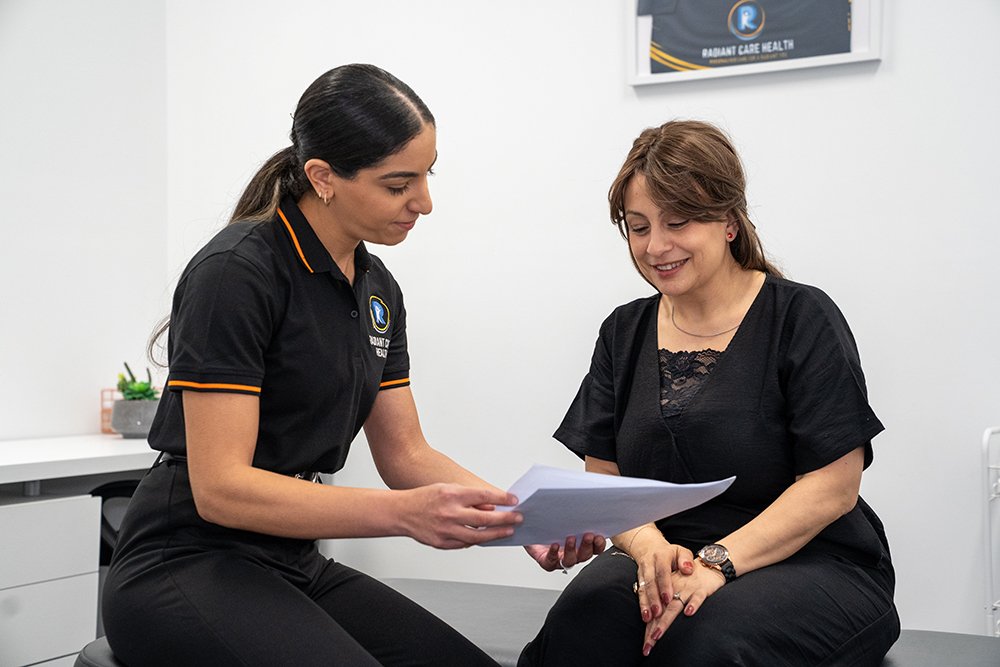
Assessment
Your physiotherapist will:
Review your surgery details, clearance notes and any post-op precautions provided by your surgeon.
Ask about your goals, pain levels, mobility limits and daily challenges at home or work.
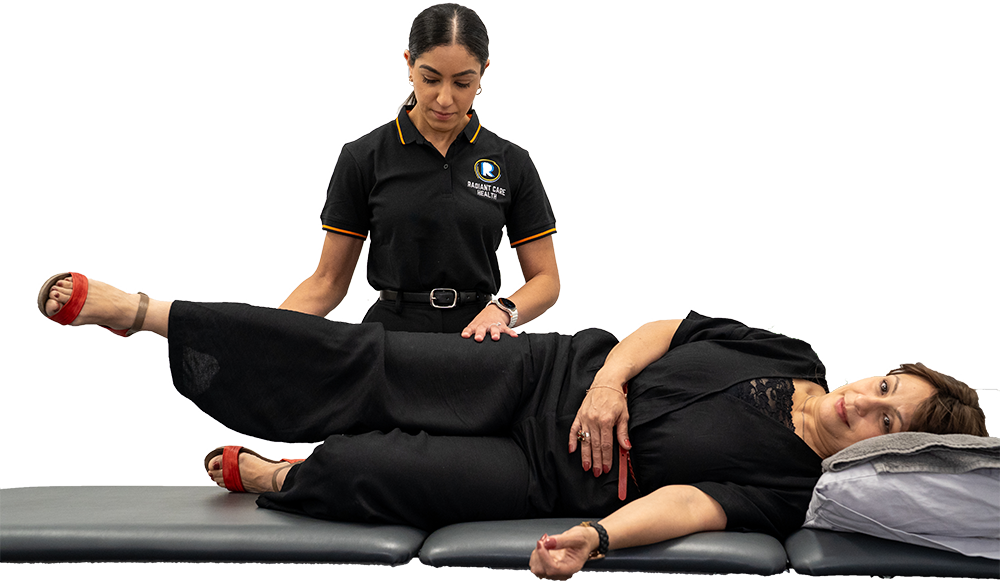
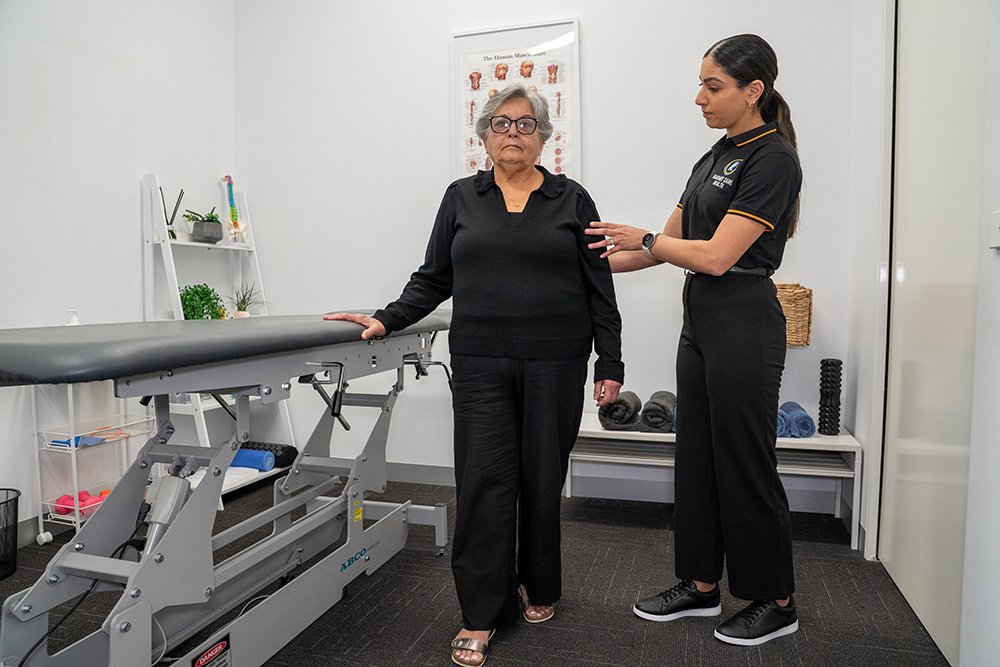
Assess relevant range of motion, swelling, strength, walking pattern and functional tasks.
Determine your current phase of recovery and outline realistic milestones for the next 2–6 weeks.
02.
Program build
Based on your procedure and goals, your physio will design a personalised plan that may include:
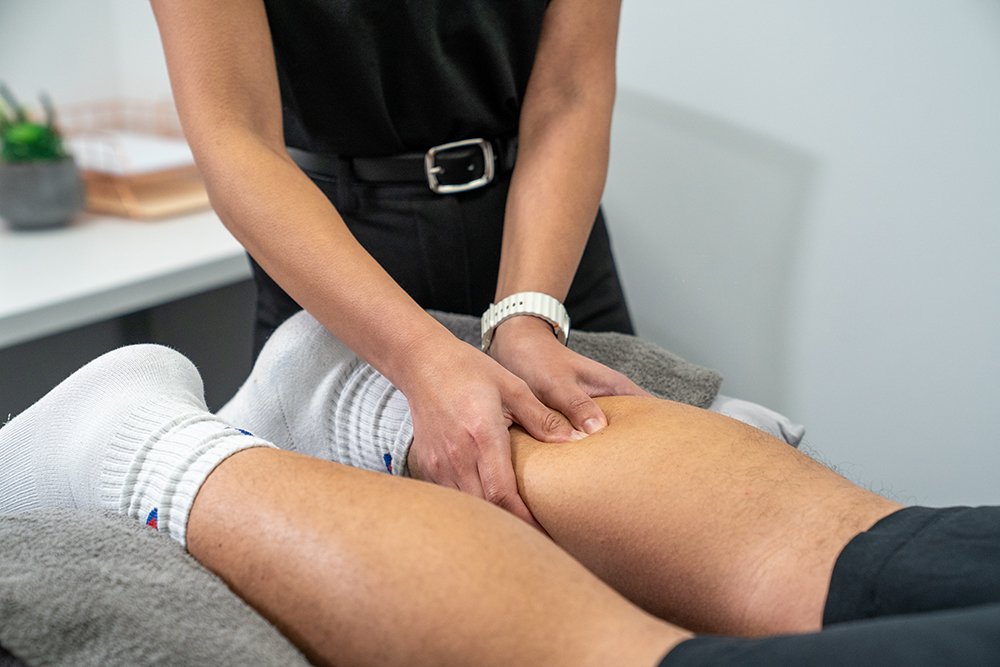
Early movement and comfort strategies to reduce stiffness and protect healing.
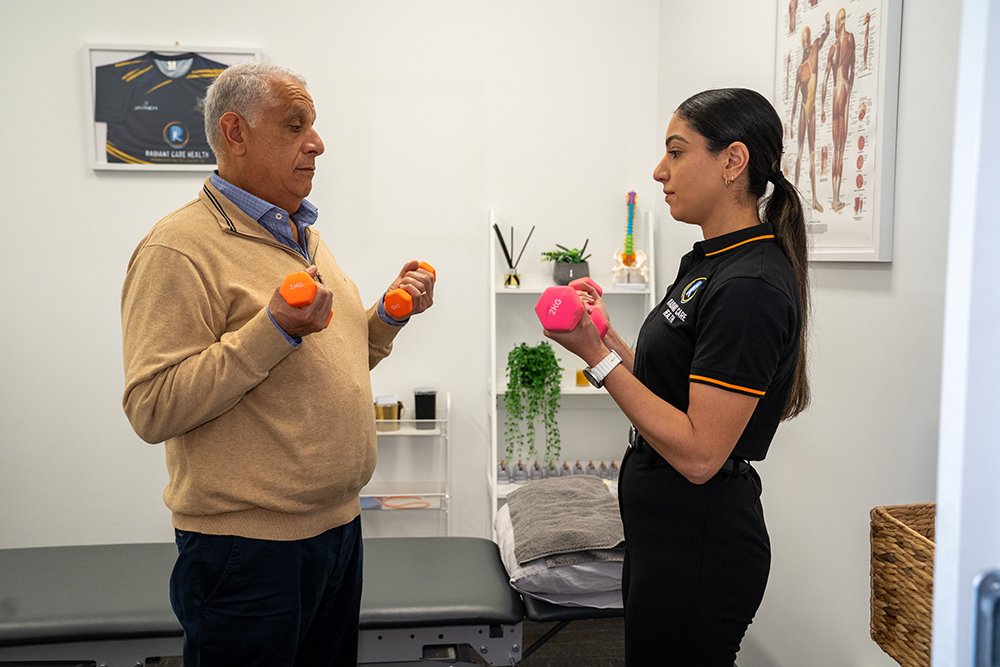
Targeted strength progressions appropriate to your surgical protocol.
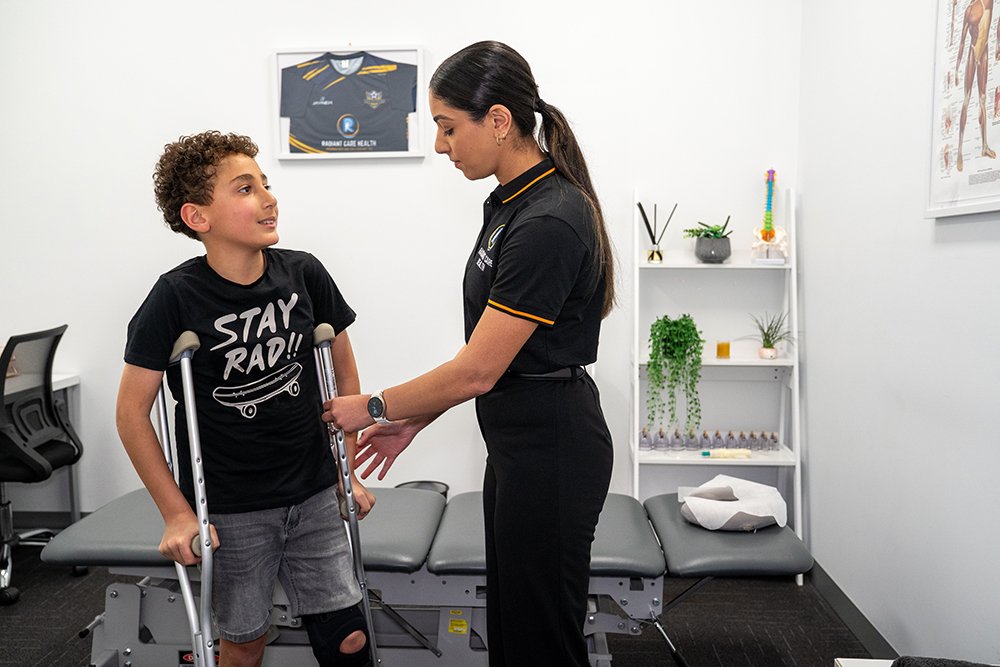
Gait retraining and balance work for safe walking and stairs.
Functional task retraining (sit-to-stand, step-ups, reaching, lifting mechanics).
Home safety and recovery education where relevant.
For hip replacement recovery, structured exercise and gradual return to activity are commonly recommended under your surgeon and physiotherapist’s guidance.
03.
Progress & review
As you improve, we will:
Progress your exercises with clear load and technique targets.
Re-check objective markers (mobility, strength, gait confidence and capacity).
Build tolerance for real-world demands: longer walks, stairs, driving, work duties, and sport-specific tasks where appropriate.
Update your plan to ensure recovery continues without unnecessary flare-ups or plateaus.
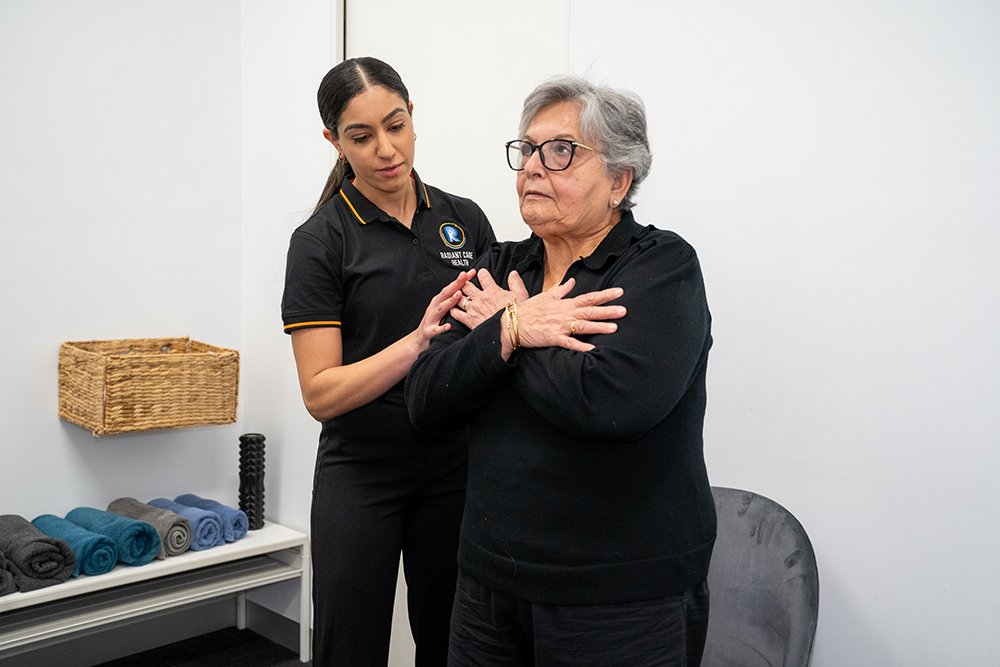
For some shoulder repairs, rehab approaches are evolving as evidence continues to refine the balance between protection and timely movement. Your program will be tailored to your surgeon’s protocol and your tissue status.